From survival mode to a more stable foundation
What changed in Dr. Fields' first year as superintendent, what the district reported at year's end, and what remains. The results described here belong to the Board of Education, district administration, employees, students, families, and community.
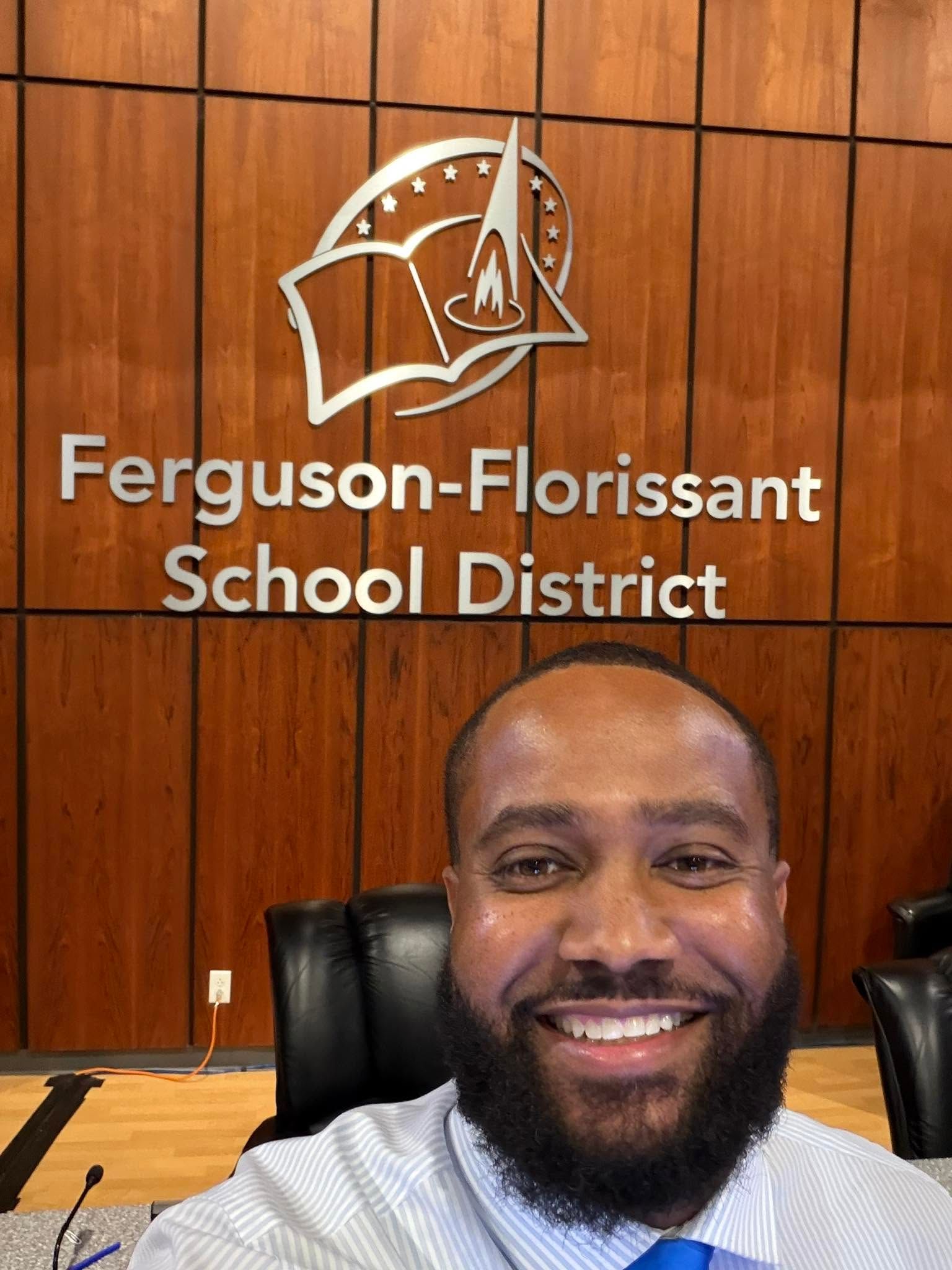
What the year required
The 2025–2026 school year asked the district to confront serious challenges on several fronts at once: finances, day-to-day operations, staffing, facilities, academics, safety, school culture, and the trust of the community it serves.
The response was not a single initiative. It was a year of steadier habits: clearer oversight, more honest communication, and planning designed to outlast the year itself.
The fiscal reset
Unrestricted fund balance, from the previously projected level to the end-of-year projection.
From a projected deficit to a projected surplus, the district's largest since 2018 and its second largest in 15 years.
These figures are district-reported projections from the close of the 2025–2026 school year, and reporting also identified tax receipts and vacancy-related salary savings as material factors. They reflect shared work: decisions by the Board of Education, discipline across district administration, and the daily choices of employees. Source: district year-end reporting (opens in a new tab)First Alert 4 (opens in a new tab)
How the district worked differently
Closer attention to fiscal responsibility, with stronger oversight and more transparent budgeting, so that the community could see not only what was decided, but why.
Better-prepared Board of Education meetings, with more transparent materials and clearer public reporting.
More candid engagement with staff, students, families, and community members, including honest conversations about constraints, not just plans. In April 2026, voters approved Proposition S, a 48-cent operating levy supporting safety, security, essential staffing, and competitive non-administrative pay. That result belongs to the community that voted for it.
Student voice given a larger place in district life, and student achievement recognized publicly and consistently.
Administrators reviewing data and barriers together, stronger school-improvement planning, and 30-, 60-, and 90-day plans aligned with district priorities. His approach to district leadership combines quantitative analysis with the experiences and perspectives needed to understand what the numbers cannot explain alone.
The district publicly examined the cost of tax-increment financing and abatement arrangements, estimated by district analysis at roughly $37 million in foregone revenue since 2010, and sought stronger protections in development agreements. District analysis, April 2026
What remains
One year does not resolve a district's challenges. Academic outcomes, facilities, safety, culture, staffing, long-term finances, and community trust all remain active, unfinished work, and the district has said so plainly.
The first year was not presented as a finish line. It was a reset: a move toward greater stability, alignment, honesty, and readiness for the work ahead.